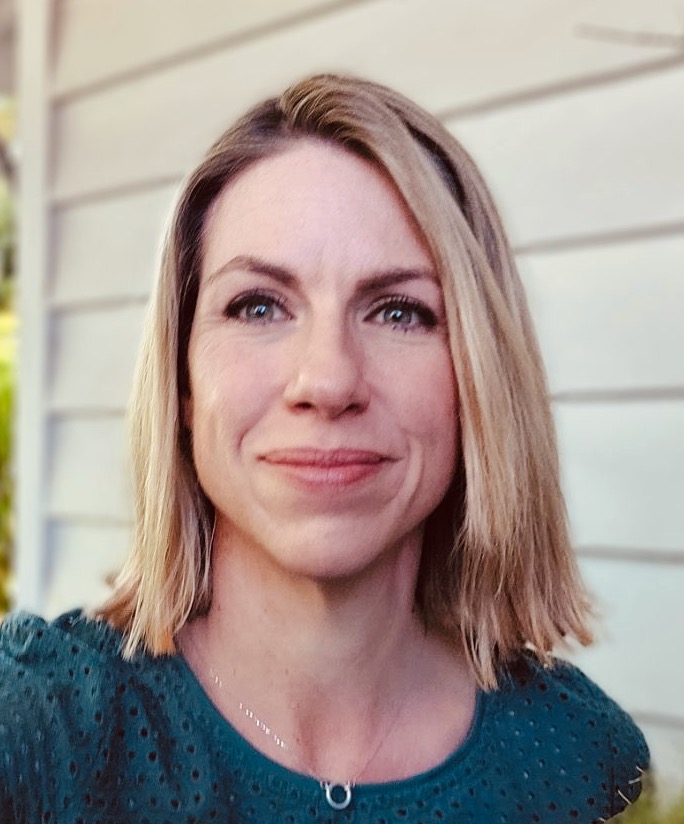
Emily Tunks
DPsych, BSc (Hons), BA (Psych/Psychophys), Health and Clinical Psychologist, Somatic Psychotherapist, Research Trial Psychedelic Assisted Psychotherapist
Psychology Board of Australia (AHPRA), Endorsed in Health Psychology (AoPE), Member of the Australian Association of Psychologists Inc (AAPi), Founding and continuing Co-chair of the AAPi Psychedelic-Assisted Psychotherapy (PAT) Interest Group since 2021
Location: Melbourne Australia
After a decade of multidisciplinary team experience in pain management and chronic illness hospital units, addiction, community health and university settings, in 2018 I founded Embody Being™. In this Health Psychology, Somatic Psychotherapy and Supervision practice, I entrust the emotional, somatic and relational wisdom of every individual, through Hakomi Mindful Somatic Psychotherapy, Systems Theory, and Depth psychology frameworks.
In recent years, I have commenced clinical research as a Psychedelic Assisted Psychotherapist in Australian and International trials. I am involved in several projects investigating psilocybin (including intravenous psilocin administration) at Swinburne University and MDMA for severe PTSD at Monash University/MAPS, having completed the MAPS MDMA-assisted psychotherapy training program in 2021. I continue to learn with several international PAP, trauma and somatic experts, including travelling to Brazil in 2025 to study with Dr Luis Eduardo Luna; Anthropologist, Author and the Director of Wasiwaska Research Centre. Since 2021, I have been a founding and continuing Co-Chair of the Australian Association of Psychologists Incorporated (AAPi) PAP Interest Group and have been an invited speaker at several multidisciplinary scientific conferences.
Building on my long-held interest in contemplation philosophies, I deeply respect the healing potential of expanded, experiential states of consciousness and most importantly, their reciprocal, ethical and useful integration. I am passionate about understanding potential somatic implications of psychedelic medicines, as well as the relational influence of the therapist/s on treatment outcomes – specifically how can the human nervous system: 1) mediate therapeutic opportunities within the heightened transference of expanded states, 2) optimise the dyadic relationship and 3) prevent therapist burnout.
Following my co-major in Psychology and Psychophysiology and a First Class Honours, I was awarded a full scholarship to complete my Doctorate of Psychology (Health), chosen because I am a strong advocate for clinical health psychology (specifically Women’s Health). My 2010 qualitative thesis investigated the psychology and ethics of Australian specialists’ practice of end-of-life care, death determination methods and organ donation. It was successfully examined by prominent, international organ donation experts. Some findings were published in the Journal of Health Psychology. https://doi.org/10.1177/1359105318765619